Working at the Nürburgring in the mid-late 2000s, I spent a lot of time staying at the Schmitz family’s Hotel am Tiergarten, resulting in many late nights at its Pistenklause restaurant and bar. Here, you’d meet race team and manufacturer’s test crews, relaxing after a long day of pushing limits, Brits, who’d flown over for the day to thrash their hire cars and kill tyres, and (mostly) crazy Europeans, arriving with tales of hooning their old 3-Series/Lada around the magnificent Nordschleife, and exploits closer to home. This is when I first heard about Hungary’s Rábaring.
Any conversation that involves four or more large glasses of Bitburger is always going to be a little hazy, but what these two guys were trying to tell me was that 90 minutes west of Budapest was a place that was just as challenging to drive, and more importantly (to them anyway), the beer was cheaper.
A Purpose-Built Rallycross Venue
Constructed in the early 2000s near the town of Győr, the Rábaring’s creation came at a time when rallycross was growing in popularity across Europe. The goal was ambitious but simple: to give Hungary a permanent, modern venue capable of hosting high-level events, thereby putting the country more firmly on the international motorsport map.
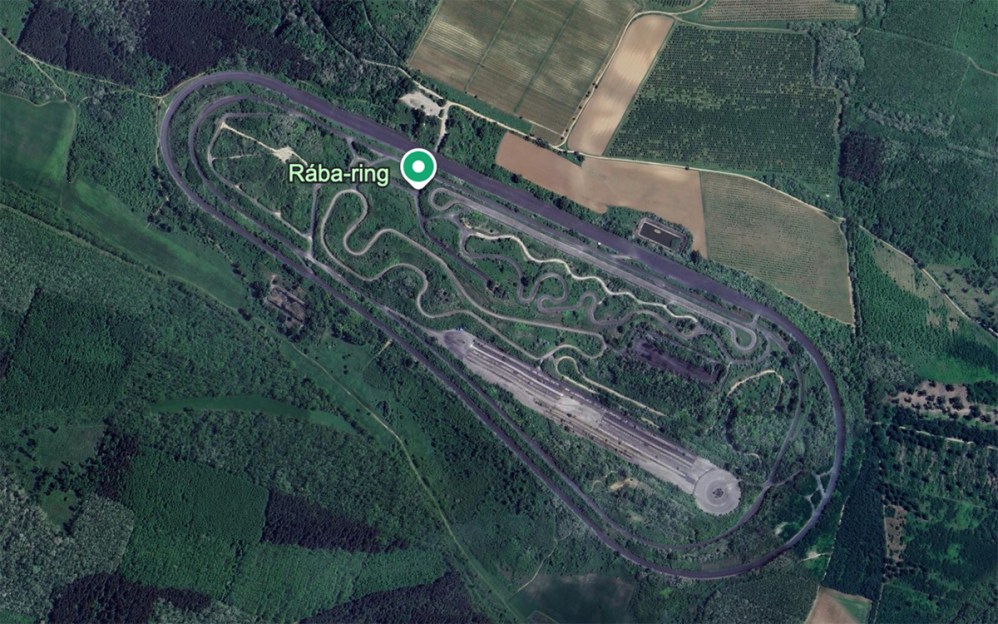
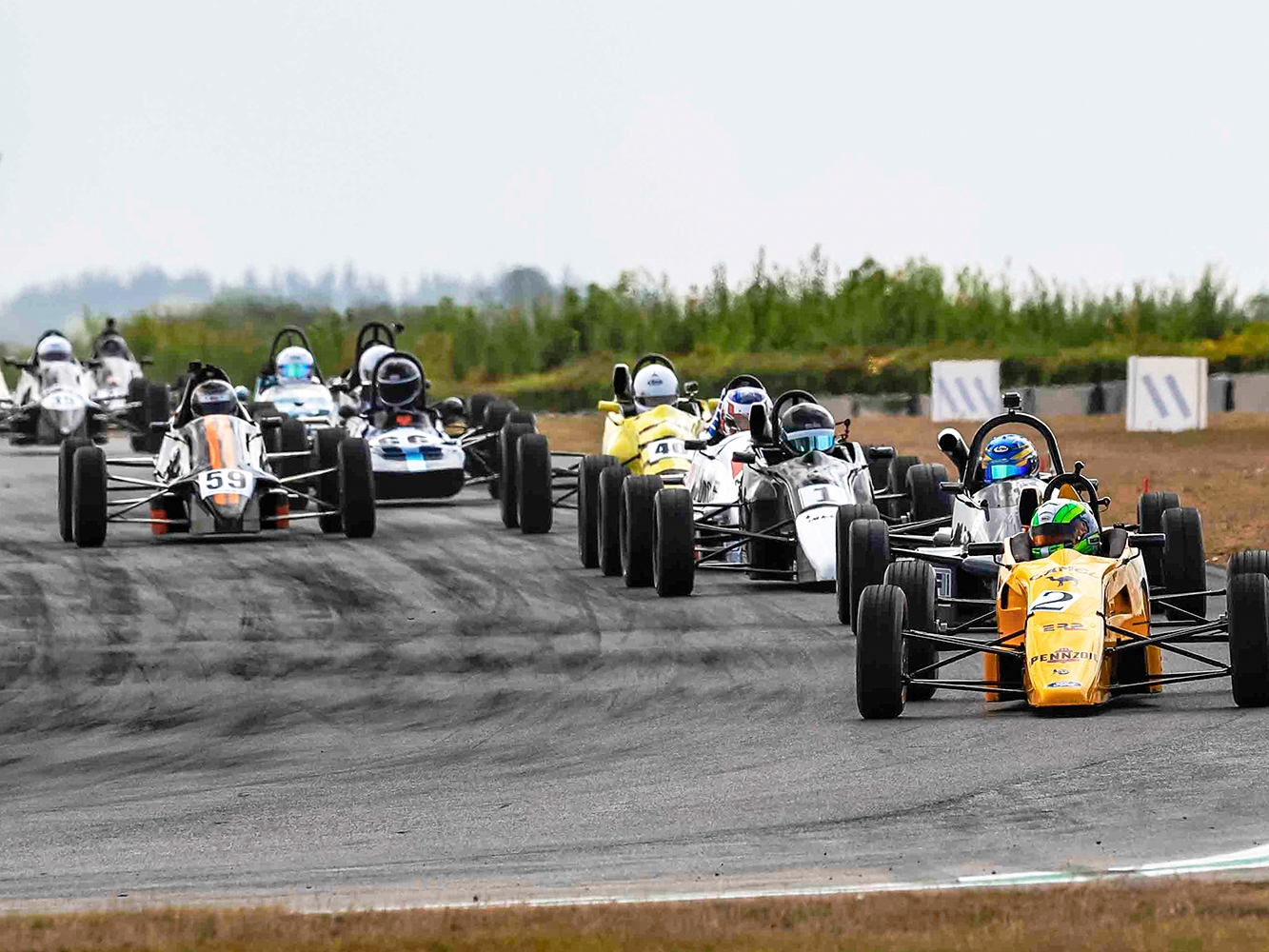
Unlike temporary rally stages, Rábaring was a dedicated circuit. It featured a compact layout combining asphalt straights with gravel sections, designed to produce close racing and spectacular sideways action. Facilities included grandstands, paddock space, and the infrastructure needed for organised competition. For a time, Rábaring did exactly what it was meant to; hosting rounds of the Hungarian rallycross championship whilst attracting strong domestic entry lists. There were also aspirations to bring in larger European events, potentially linking it with the broader rallycross calendar that would later evolve into the FIA World Rallycross Championship.
Yet despite its promise, Rábaring’s success was short-lived. By the late 2000s and early 2010s, activity had dwindled significantly. A combination of factors, mostly financial, and the eventual failure to attract serious international competition, saw the track and its facilities decline, then stop altogether. The track fell silent, and nature began to reclaim the asphalt and gravel.
Rábaring Today
For the next few years, the Rábaring stood in decay, its only visitors being urban explorers and rally enthusiasts, drawn to the site by its history and the drama of its neglect, but then a movement began, fuelled by a common desire to breathe new life into the place. The idea was simple, to create a grassroots programme of tests, slaloms and stages, aimed mostly at locals (initially), using accessible parts of the circuit, with the emphasis on low-cost ‘community’ participation. Needless to say, word soon spread, the organisers remained true to their mission, and today, whilst very much a ‘no frills’ experience, a day at the Rábaring is just about as good as it can get.
Peter Levay’s film perfectly tells the ‘today’ story:
Feature image and film by Peter Levay
* To see the latest event dates, head to the MB Racing Team website.
Written By

Try These Next
Stories we think you'll enjoy