Collisions between teammates can often tell us more about a Formula 1 team than any press release ever will. In the closing stages of yesterday’s Canadian Grand Prix Sprint, the simmering tension between Mercedes drivers George Russell and Kimi Antonelli finally exploded into public view. By recent standards (Vettel & Webber, Hamilton & Rosberg), the clashes themselves were relatively minor, yet the consequences may prove far more significant than a few discarded shards of carbon fibre.
This was never simply about Montréal.
For Russell, 2026 increasingly feels like a defining season. At 28, he is neither the heir apparent nor the patient understudy. This is his moment. Mercedes has delivered a car capable of dominating Formula 1’s current regulations, and Russell knows that this might not just be his best chance of securing the crowning glory, it might be the only one he ever gets. But championships are not won with mere speed alone; they require timing, political security and internal stability. Right now, Russell arguably possesses only one of these.
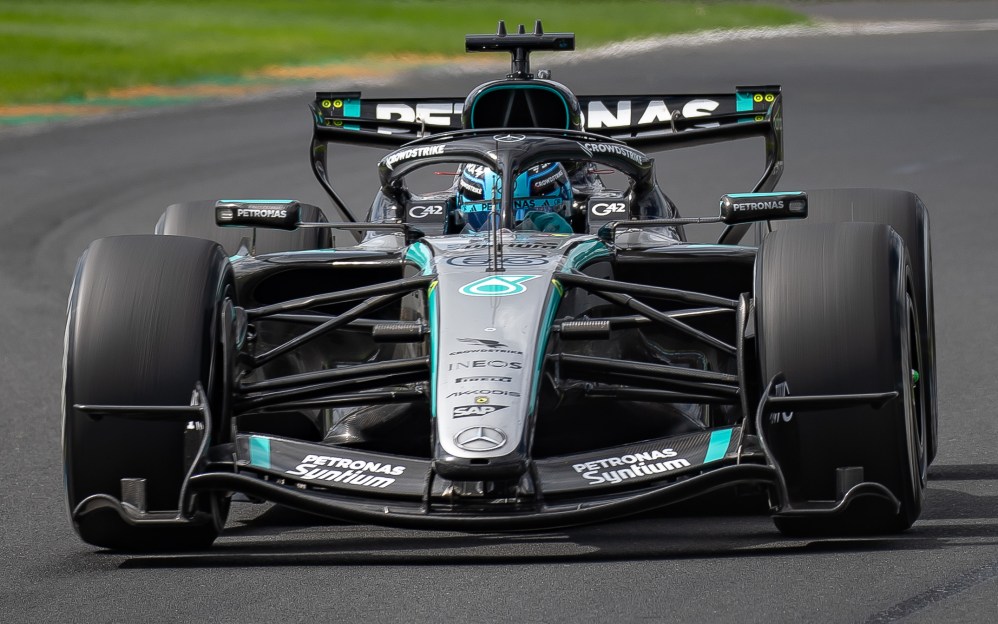
The problem is that Mercedes’ future may no longer revolve around him.
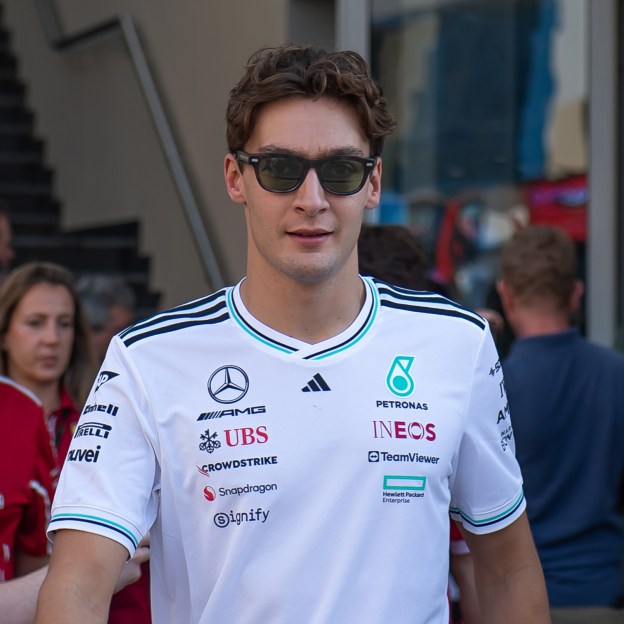
Antonelli’s rapid rise, supported by his current command of the standings, has been impossible to ignore. Team boss Toto Wolff has invested years in nurturing the young Italian, protecting him from excessive expectations while ensuring the paddock understood that Mercedes viewed him as a generational talent. The Canadian Sprint offered another reminder of Antonelli’s fearlessness, but it also proved his emotional vulnerability. His move on Russell may have been optimistic, but it also reflected a driver unwilling to accept subordinate status, and later, a driver feeling the pressure of his position

This presents Mercedes with a combustible dynamic. Russell knows that he might only be a one-shot wonder and needs Antonelli to learn both patience and the pecking order. Antonelli, on the other hand, appears convinced that he’s already earned his title challenge, and knows that Wolff stands as his protector.

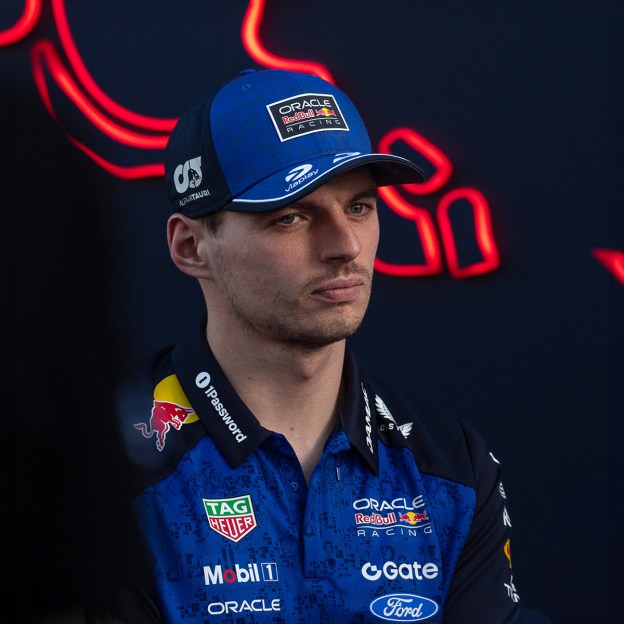
Yet there’s an even larger figure casting a shadow across the boardroom within the imposing headquarters building at Mercedesstraße 120, Stuttgart: Max Verstappen.
Speculation surrounding a potential future for Verstappen at Mercedes refuses to disappear. Why would it? The more it’s considered, the more this partnership makes perfect sense. Mercedes isn’t merely building for Formula 1’s next cycle; it’s visibly expanding its ambitions across the global motorsport scene, and its growing focus on endurance racing is becoming impossible to overlook. Just one week ago, Verstappen had looked certain to lead his squad to an emphatic win at the Nurburgring 24H race (behind the wheel of one of the pair of Winward Racing Mercedes-AMG GT3 entries), only for a driveshaft failure to hand victory to the team’s second car. Nevertheless, the event reinforced another reality: endurance racing now sits at the centre of elite manufacturer strategy.
Mercedes understands this.
Behind the scenes at AMG’s Affalterbach base, work on future Hypercar technology is widely believed to be progressing aggressively, with the long-term prospect of a factory assault on the top class at the 24 Hours of Le Mans becoming increasingly plausible. If that programme materialises, Verstappen (whose contract with Red Bull Racing expires in 2028) might become far more than simply a Formula 1 signing; he’d be the cornerstone of a global motorsport empire. Crucially, his value extends beyond lap time. Verstappen is one of the few drivers in world motorsport capable of transforming a manufacturer’s commercial reach overnight. Alongside Lewis Hamilton, he occupies a rare category: An athlete who sits as a global cultural asset. He delivers audience growth, sponsor leverage and worldwide relevance that few others can match. His appearance at the Nurburgring 24H saw ticket sales and streaming figures smashed – the event selling out to a record 352,000 fans (the first time that this has ever happened). And it’s not just in the sporting arena where Verstappen’s star can shine. Currently, China buys more new cars annually than the EU and the USA combined. Mercedes is not unaware of its declining market share in the East and needs to invest heavily in its brand to secure its position.
These are the uncomfortable realities that Russell now faces.
The Canadian Sprint Race may ultimately be remembered less for the contact itself and more for what it has exposed. Russell is fighting for a championship. Antonelli is fighting for the future. Meanwhile, Mercedes may already be thinking beyond both.
Images: Mercedes-AMG F1 & Steve Hindle
Written By

Try These Next
Stories we think you'll enjoy